

Working together to protect the Afon Dyfrdwy (River Dee)
Working together for a healthier Afon Dyfrdwy catchment
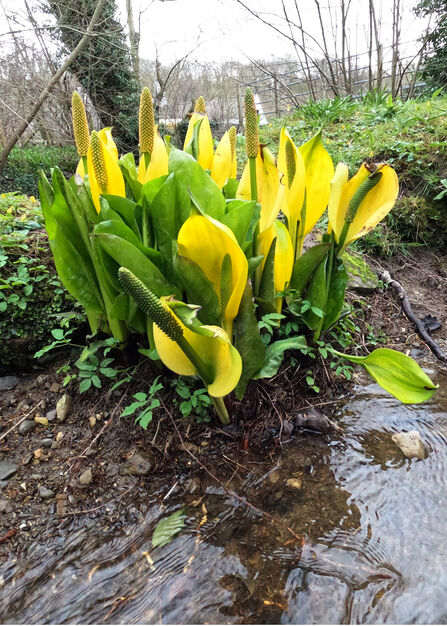
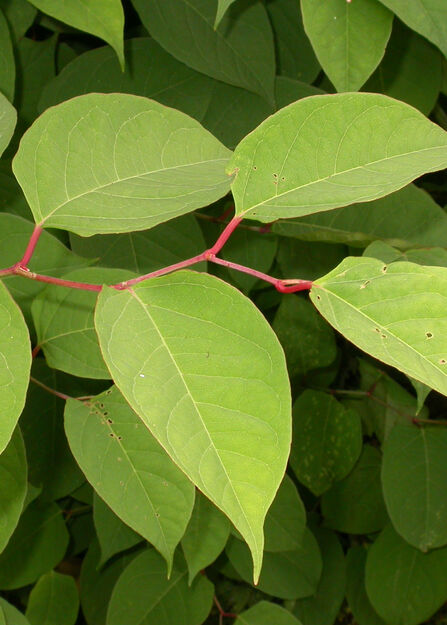
From the upper reaches of the Afon Dyfrdwy to the wider Dee catchment, our invasive non-native species (INNS) work connects people, places and projects in a shared effort to tackle INNS. By combining practical control, survey and mapping, monitoring, biosecurity, volunteer action and partnership working, we are helping to reduce the spread of species such as Himalayan balsam, Japanese knotweed and American skunk cabbage, while supporting healthier riverbanks, richer habitats and a more resilient river system for the future.
The Wildlife Trusts

The impact of invasive species on the Afon Dyfrdwy
Invasive non-native species can spread quickly along rivers, roads, footpaths and disturbed ground. Once established, they can outcompete native plants, reduce biodiversity, increase riverbank erosion, affect access for recreation and create long-term costs for land managers and communities.
What we do and how we work, with nature and communities
Our approach is catchment-based: we work from source areas downstream wherever possible, combining survey, control, monitoring, community action and biosecurity advice so that work in one place supports progress across the wider river system.
- Survey and mapping: recording the location and extent of priority invasive species so work can be targeted and progress tracked.
- Practical control: coordinating appropriate management such as hand pulling, cutting, stem injection or specialist contractor work, depending on the species and site.
- Monitoring and follow-up: revisiting sites to check results, identify regrowth and plan repeat management where needed.
- Biosecurity: promoting simple steps to prevent invasive species spreading between sites, including cleaning boots, tools, equipment and vehicles.
- Volunteering and community action: supporting local people, groups and land managers to take part in balsam bashes, surveys, training and awareness events.
- Innovation and learning: trialling sustainable approaches, including nature-based solutions such as Himalayan balsam rust fungus, where appropriate.
Our projects in the Dee catchment
The Dee INNS partnership work has developed through a series of connected projects. Each project has enhanced knowledge, partnerships, data and practical management that support long-term catchment-wide action.
Restoring the Dee Together 2026 - 2029
Project aim - Partnership delivery and catchment-scale restoration
We are partnering with the Dee Trust and Buglife, funded by the Nature Networks Fund to improve the health and resilience of the River Dee catchment.
Our work focuses on removing invasive non-native species (INNS) from around 50km of riverbank, supporting citizen science research into soil erosion and Himalayan balsam, and encouraging people to get involved through guided walks and community events.
By combining habitat restoration, research and community action, the project is helping to create healthier, more resilient rivers and floodplains for wildlife and people.

Preventing Aliens Taking Hold Project (PATH) 2023 - 2024
Project aim - Heritage, access and community engagement
Funded through the Nature Networks Fund, the Preventing Aliens Taking Hold (PATH) project explored the connection between the River Dee's natural heritage and invasive species management.
The project managed over 30km of riverbank for invasive plants, surveyed more than 130km of footpaths and river corridors, and investigated how public access routes may contribute to the spread of invasive species.
A lasting legacy of the project was the creation of the Bala Audio-Guided Wildlife Trail, available in Welsh and English, with written versions also produced in Polish, Portuguese and Bengali, helping more people discover the stories, wildlife and heritage of the Dee.

Upper and Middle Dee Invasive Species Management Project 2022 - 2023
Project aim – Strategic INNS control and volunteer capacity building
Funded through the Nature Networks Fund, the Upper and Middle Dee Invasive Species Management (UMDIM) project delivered large-scale invasive species management across the River Dee, River Ceiriog and their tributaries.
Alongside practical control of species such as Himalayan balsam and Japanese knotweed, the project invested in local communities through volunteer training, equipment hubs and biosecurity initiatives. Volunteers gained skills in river safety, pesticide application, habitat management and invasive species identification.
The project established a network of trained volunteers and community groups that continue to play an important role in protecting the Dee catchment.

North Wales Resilient Ecosystem Pilot Project 2021 -2023
Project aim - regional approach to INNS control and testing novel control methods
The North Wales Resilient Ecosystem Pilot Project expanded invasive species work beyond the Dee catchment, bringing together organisations and communities across Conwy, Denbighshire, Flintshire, Gwynedd and Wrexham.
Building on previous projects, the initiative tested new approaches to awareness raising, prevention and control of invasive non-native species. Through a series of pilot projects, it helped strengthen regional collaboration and improve understanding of how landscape-scale action can build resilience for nature across North Wales.
Our River Wellbeing Project 2018 - 2021
Project aim – a focus on linking INNS control with people and wellbeing
The Our River Wellbeing Project placed people at the heart of river conservation. Through the River Guardian Network, volunteers came together to help care for the River Dee while improving their own health and wellbeing.
Volunteers took part in surveys, invasive species management, training, bushcraft and nature connection activities, developing new skills and confidence while making a valuable contribution to the catchment.
The project demonstrated how practical conservation can benefit both the natural environment and the people who care for it.

Dee Invasive Non-Native Species Project 2013 - 2018
Project aim – Establishing catchment-scale coordination of INNS control
The Dee Invasive Non-Native Species (DINNS) Project laid the foundations for coordinated invasive species management across the River Dee catchment. Working with landowners, communities and partner organisations, the project tackled invasive plants such as Himalayan balsam, Japanese knotweed and American skunk cabbage, helping to protect the River Dee Special Area of Conservation and its tributaries.
The project established a strategic, catchment-scale approach to surveying, monitoring and managing invasive species, while also developing community involvement in their control. Through practical conservation work and public engagement, it helped raise awareness of the impacts invasive species have on native wildlife, habitats and river systems.
The project created the foundations for long-term invasive species management within the Dee catchment, supporting a programme of work that continues to protect and restore the river today.

Glanhau’r traeth ym Mhenmorfa Llandudno
Mae stormydd y gaeaf yn dod â llawer iawn o sbwriel i'n glannau gorllewinol ni felly beth am i ni weld faint allwn ni ei glirio!…

Creu bwydwyr adar naturiol eich hun a thaith gerdded natur (digwyddiad i bobl ifanc)
Chreu bwydwr adar naturiol eich hun wrth archwilio'r bywyd gwyllt yn Big Pool Wood
Glanhau traeth Dinas Dinlle
Mae stormydd y gaeaf yn dod â llawer iawn o sbwriel i'n glannau gorllewinol ni felly beth am i ni weld faint allwn ni ei glirio!…


