

Himalayan balsam © NWWT
Invasive non-native species
What are invasive non-native species?
Invasive non-native species – also known simply as invasive species or INNS - have been introduced by humans, intentionally or unintentionally, beyond their natural range. Acknowledged as one of the top five drivers of biodiversity loss globally, their spread threatens the survival of our native species, and can cause damage to our environment, economy, our health and the way we live.
Why is action important?
We are living through a nature crisis. Wales is one of the most nature depleted countries in the world, and much of our native wildlife is currently struggling (with one in seven species facing extinction and more than 40% in decline). We cannot underestimate the threat invasive species pose to ecosystem resilience.
Invasive species are a threat because they:
- Prey upon native species
- Outcompete native species for resources such as space, light, food and water
- Carry new diseases
- Hybridise, this is where an invasive species breeds with closely related native species and changes their 'genetic character'
- Invasive species also have an economic impact, costing the UK economy almost £2billion per year

Asian hornet worker © National Bee Unit
The yellow-legged hornet (Vespa velutina), also known as the Asian hornet, is not yet established in the UK but have been recorded in GB since September 2016. Although they are smaller than our native hornet they can grown up to 3cm in length and are highly aggressive predators which will hunt our native honey bees.
Yellow-legged hornets are an 'Alert Species'; if you spot one you need to report it,
Find out how to report your sighting, and more info on yellow-legged hornets here

© Gillian Day
The grey squirrel (Sciurus carolinensis) is native to North America and was first recorded in GB in 1828. Their import was declared illegal in 1938, but by this time they were already well established and were rapidly spreading. Grey squirrels pose a major threat to our native red squirrel populations. They are able to outcompete red squirrels for food and habitat, and also carry squirrel pox – a disease which is deadly to our native red squirrels.
Be sure to report your squirrel sighting (grey and red) using the LERC Wales App (external site opens in new window).

Japanese knotweed © Vaughn Matthews
Japanese knotweed (Reynoutria japonica or Fallopia japonica) was first recorded in the wild in GB in Maesteg, South Wales, in 1886. Knotweed doesn’t spread through seeds but through underground creeping rhizomes. A tiny fragment of rhizome can grow into a new plant! Japanese knotweed can grow through hard materials and cause structural damage to properties.
The best way to treat Japanese knotweed is through chemical control.
Check out this guidance from Welsh Government for more information.

© NWWT
First recorded in 1839, Himalayan balsam (Impatiens glandulifera) has now spread throughout the UK and is often found along river banks where it takes over and out-competes native flowers. Himalayan balsam has exploding seed pods, which can fling each plants 800 seeds up to 7m away from the plant.
You can easily remove balsam by pulling it out by the roots.
Check out this blog for more information.
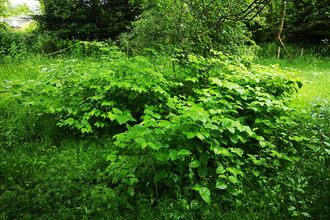
Invasive Species Week: 22nd to 28th June 2026
Invasive Species Week is here—and it’s a chance for all of us to help protect our local wildlife. Led by the GB Non-Native Species…
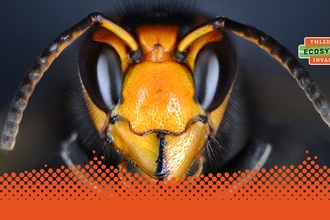
A potential sting
The yellow-legged (formally Asian) hornet has officially been recorded in Wales for the first time.
Charlie, INNS Project Officer…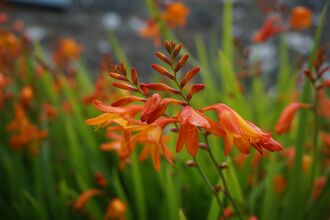
New online toolkit helps gardeners stop invasive plants from escaping into the wild
North Wales Wildlife Trust is excited to launch its brand new Gardeners’ Toolkit, an interactive bilingual online resource including…


Volunteer Himalayan balsam bash © Craig Wade
Our work to tackle invasive species
Find out more
© Wye Valley AONB