Building a career in conservation

Building a career in conservation

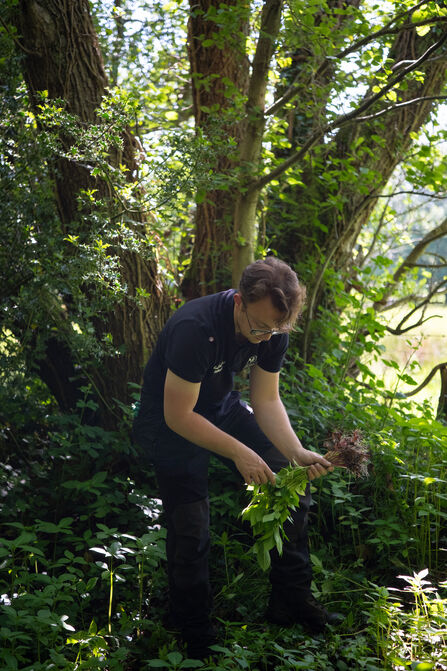
Graduate/Student Placement Owen Eaton recently came to the end of his time us and reflects on the importance of building practical skills, experience, training and contacts through volunteering – and how that can help build a career in conservation.

When I first started looking at a career in conservation I was both well-educated and clueless at the same time! Well-educated in zoology and conservation theory, but foggy on how it translated to the work on the ground, and how I wanted to fit into that work what role I wanted to fill. I’d like to share here my thoughts on what’s important when building a career in conservation.

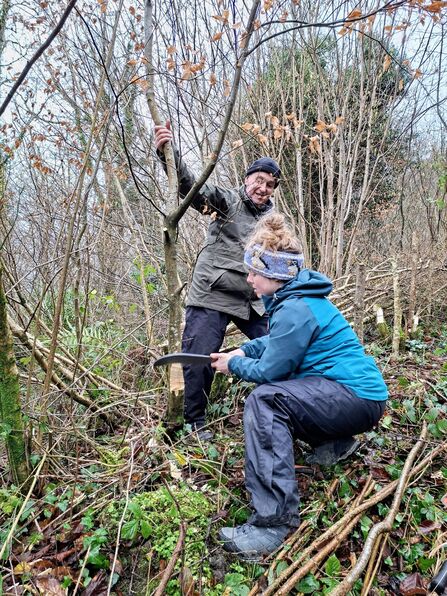
The best way to learn is to be there. Volunteering and being on placement with the Trust has been a valuable experience for me and I would encourage anyone building a career in conservation to make time for volunteering. Crucially, being on the ground in this way familiarises you with the work and the aspects of conservation that you do – or don’t – like; both are equally valuable information if you’re unsure like I was. Think of it as a ‘try before you buy’ experience! Volunteering also builds practical experience and skills that you can quote directly when seeking jobs, employers will be looking for this and value it highly. When volunteering, make sure to ask about doing different things, see where the organisation needs help and offer your hand. The more you can do, the better picture you’ll have of what you like to do. This can range from data entry and analysis, fundraising, habitat management, surveys and more!
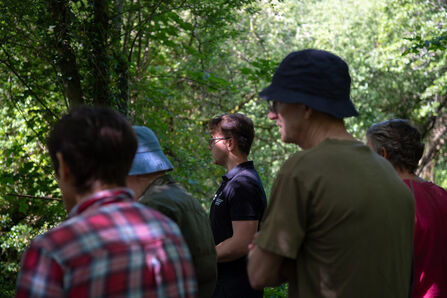
I’ve also met many like-minded people, which has been great. Being neurodivergent, it can be hard getting to know and talking with people. I can assure people of a similar disposition that making those friends and connections is worth the effort. I’ve really enjoyed being out with work parties or attending work events. I’ve made great friends and found further opportunities for development directly from the people I’ve met there. People and networking skills remain an important part of building any career, and conservation is no different. I certainly encourage attending talks, conferences and surrounding yourself with like-minded conservationists and naturalists, you never know what could come of it!

Employability is about more than education, having proof of your skills is a real help. While on placement I was given training for first aid, chainsaws and brush cutters which were not only good fun to do and interesting, but were also an all too common stumbling block for me when applying for jobs, as I didn’t have them. Accredited training like this is key, even if you don’t have all of a job’s required training, if you state that you’re willing to learn on the job you have a better chance than if you had none of it. I’ve also been able to take part in more informal training on aspects like QGIS and survey skills, both very important too. Be sure to state any time spent on skills like these in applications as even though they may be unaccredited, they still go towards making you more employable. 

Think outside the box with your skills too! I’m an avid nature photographer and have used these skills while on placement to supply the trust with photos of their activities. I plan to use those same skills in future employment too. If you have any creative or practical skills that maybe don’t relate to conservation at first glance, step back and re-think as you may have something unique to offer! 

In summary, put yourself out there. Volunteer, meet people, learn new things and get trained in any way that could be useful. Most importantly though, enjoy your work and don’t be discouraged. Conservation is highly competitive to get into but with knowledge, experience, a good network and a little luck you can make it work!

Young white man with glasses lying in a forest with a camera and a long telephoto lens

Alice Fyfe